• 4 Day Bali Sightseeing Itinerary with Driver for Stress-Free Travel

    If you’re trying to plan a 4 day Bali sightseeing itinerary with driver, let me just say—you’re already making a smart choice. Bali’s roads are unpredictable, traffic is wild in some areas (hello Canggu shortcut!), and parking near temples or beaches can test anyone’s patience. Having a private driver in Bali means you can sit back, enjoy the views of rice terraces, and not stress about directions or fuel stops.

    Over the years, I’ve done Bali both ways: rented a scooter when I was younger and braver, and later hired drivers when I had family or just didn’t want to sweat through my clothes by the time I got anywhere. Trust me, the driver option wins for comfort and for actually enjoying the island instead of worrying about potholes or sudden dogs darting across the street. Plus, drivers often know secret back roads and will save you time when traffic gets crazy.

    Read also: Bali Holidays

    This 4-day itinerary mixes culture, relaxation, and sightseeing—without exhausting you. Think sunrise views, temples that feel spiritual even if you’re not religious, waterfall dips, and of course, good food. Let’s break it down day by day so you know exactly what to expect.

    Day 1 – Ubud and Central Bali with Driver

    Starting off in Ubud is the best move. It’s central, lush, and packed with culture. You don’t want to waste your first day sitting in traffic trying to reach far-off beaches.

    • Sacred Monkey Forest Sanctuary: Yes, it’s touristy, but also a fun way to ease into Bali life. The monkeys can be cheeky, so no loose sunglasses or dangling earrings. When I went last time, one monkey tried to steal my water bottle—our driver laughed because apparently, that happens daily.
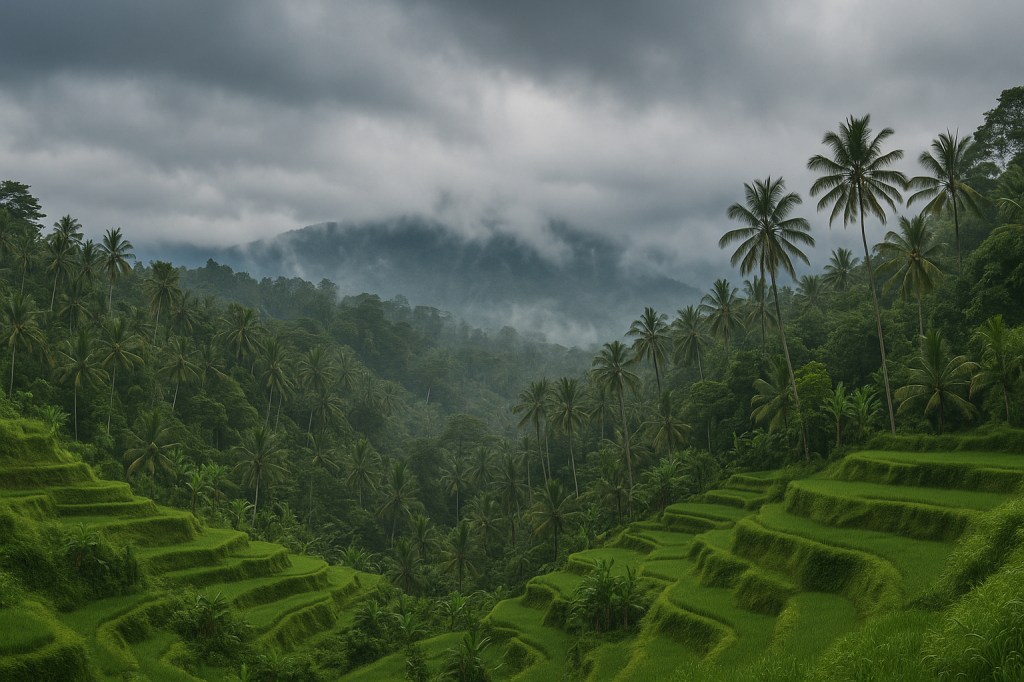
    • Tegallalang Rice Terraces: These terraces are iconic Bali. Walking through them feels peaceful if you go early before crowds. Some paths are steep, so wear comfy shoes. You’ll also see swings over the terraces—cheesy? Sure. But hey, some moments are worth the cheesy photo.
    • Goa Gajah (Elephant Cave Temple): A 9th-century temple carved into rock. It feels cooler (literally) because of the shade, and the moss-covered stones add this mysterious vibe.
    • Local lunch in Ubud: Ask your driver where they eat. Drivers know the real deal—warungs with nasi campur or crispy duck that don’t show up in Instagram reels.
    • Tegenungan Waterfall: If you still have energy, finish here. It gets crowded but still worth a visit, especially if you’ve never swum under a waterfall.

    Your driver will time things for you, so you’re not stuck in Ubud’s one-way traffic during rush hour. Honestly, without a driver, this day would be exhausting to navigate solo.

    Day 2 – East Bali Adventure

    East Bali is less touristy and feels almost untouched in parts. A driver here is a lifesaver because public transport is nonexistent and the roads get winding.

    • Lempuyang Temple (Gate of Heaven): You’ve seen the famous Instagram photo with Mount Agung in the background. The truth? The “reflection pool” is actually a mirror trick done by local photographers. Still, the view is unreal if the mountain isn’t covered in clouds.
    • Tirta Gangga Water Palace: Peaceful gardens with koi ponds. Buy some fish food—it’s fun to toss it in and watch the koi swarm.
    • Lunch in Karangasem: The food here tends to be more traditional Balinese. I had sate lilit (spiced fish satay) that was so fresh, I still think about it years later.
    • Sidemen Rice Fields: Less crowded than Ubud’s terraces, more natural, and just stunning. It feels like stepping back in time.

    This day requires lots of driving. According to Bali’s official tourism board, some destinations can take 2–3 hours one way depending on traffic. With a driver, that’s nap time or snack time, not stress time.

    Day 3 – Northern Bali and Lakes

    The north has cooler air, mountains, and a slower pace. You’ll see temples by lakes and waterfalls that feel like movie scenes.

    • Ulun Danu Beratan Temple: Floating on a lake, it’s easily one of the most photogenic temples in Bali. Morning is magical here with mist rising.
    • Handara Gate: A huge Balinese gate with a mountain backdrop. Yes, it’s become a photo spot with a line, but if you’re into that, go for it.
    • Gitgit Waterfall or Sekumpul Waterfall: Sekumpul is harder to reach (lots of steps) but worth it. Gitgit is easier and still impressive.
    • Lunch near Bedugul: Fresh strawberries are common here because of the cooler climate. Many warungs sell strawberry juice, which is surprisingly refreshing after hiking.
    • Wanagiri Hidden Hills: Quirky swings and bamboo lookouts with panoramic lake views. Kind of touristy, but if you want dramatic pictures, it’s fun.

    Without a driver, this route would be nearly impossible in a day. Google Maps might say “90 minutes,” but traffic and winding roads double that.

    Day 4 – Beaches and Southern Bali

    Save the south for last. After all the temples and hiking, it’s time for sun and sand. Your driver will be extra handy because southern Bali traffic can make or break your day.

    • Uluwatu Temple: Perched on a cliff with epic ocean views. Stay for the kecak fire dance at sunset—it’s touristy but goosebump-worthy.
    • Padang Padang or Bingin Beach: Smaller, cozy beaches with clear water. Bingin has stairs, so be ready for a mini workout.
    • Lunch with a view: Plenty of clifftop cafes serve fresh seafood. I had grilled mahi-mahi at one spot and couldn’t believe the price compared to back home.
    • Jimbaran Bay Dinner: If you want that classic toes-in-sand seafood dinner, Jimbaran delivers. Fresh fish, prawns, squid—you pick from the display, and they grill it for you.

    South Bali traffic can get ugly around sunset, but your driver will know when to leave each stop to keep things smooth.

    Why Having a Driver Changes Everything

    I can’t stress this enough: Bali looks small on a map, but travel times are way longer than you’d think. Roads are narrow, scooters weave around, and sometimes ceremonies block whole streets. Drivers know alternative routes and handle all that without you breaking a sweat.

    Most private drivers in Bali charge by the day, usually 600,000–800,000 IDR (around $40–$55 USD) depending on the car size and distance. That usually includes fuel and parking, but confirm first. Honestly, split between 2–4 people, it’s cheaper than each person renting scooters and risking accidents.

    And there’s the bonus of local knowledge. A good driver becomes like a mini tour guide—they’ll explain temple etiquette, share stories about Balinese culture, and sometimes even take you to their family compound if you’re lucky. My driver once detoured us to his village temple during a ceremony, and it was one of the most authentic moments I’ve ever experienced in Bali.

    Extra Tips to Make the Itinerary Work Better

    • Start early each day, especially for east and north Bali. Sunrise departures mean fewer crowds.
    • Keep small bills for entry fees. Most temples and waterfalls charge around 15,000–50,000 IDR.
    • Pack a sarong or borrow one at temples—it’s required for both men and women.
    • Always check with your driver about the order of stops. They know traffic patterns better than Google Maps.
    • Don’t overpack your days. Four to five stops max is realistic if you want to actually enjoy each place.

    Now, I made this itinerary with balance in mind—culture, nature, and relaxation. Too many people overload their days, rushing from temple to beach to waterfall, and end up burnt out. Bali’s not about ticking boxes; it’s about soaking in the energy, whether that’s in a bustling Ubud market or on a quiet Sidemen rice terrace.

    How to Choose the Right Driver for Your 4 Day Bali Sightseeing Itinerary

    Not all drivers are the same, and choosing the right one can make or break your trip. When I first came to Bali years ago, I just grabbed a random driver outside the airport. Big mistake. He was nice, sure, but his car had no AC, and he kept trying to take me to “shopping stops” for commissions. Since then, I’ve learned what to look out for.

    First, ask if the driver is also a licensed tour guide. Some are just drivers (which is fine), but others have guide certification and know a lot more about history, culture, and religion. That extra context makes visiting temples way more meaningful. For example, when I went to Tirta Empul for the water purification ritual, my driver explained exactly how Balinese Hindus move through each spring. Without him, I would’ve just stood there confused.

    Second, confirm the car. This might sound obvious, but comfort matters. If you’re traveling with three friends, don’t squeeze into a tiny hatchback. Go for a van or SUV. The air conditioning should work well too—Bali humidity hits different when you’ve been climbing temple stairs all day.

    Third, check their flexibility. A good driver won’t just follow the “usual” route—they’ll adapt. Once, heavy rain hit while I was on my way to Tegenungan Waterfall. My driver quickly suggested a different stop, Goa Gajah temple, which was perfect because it was shaded and less slippery. That kind of local insight saves your day.

    Cost Breakdown for 4 Days with a Driver

    One of the biggest questions people ask is, “How much should I budget for a driver in Bali?”
    Here’s the usual:

    • Daily Rate: 600,000 – 800,000 IDR (about $40–$55 USD)
    • Includes: fuel, parking fees, and pickup/drop-off at your hotel or villa
    • Extra Hours: If you go past 10 hours, expect maybe 50,000–100,000 IDR ($3–$7 USD) extra per hour
    • Tips: Not mandatory, but if your driver goes above and beyond, 50,000–100,000 IDR is a nice gesture

    If you split this cost between four people, you’re paying the price of a single cocktail at a fancy Bali beach club for a whole day of stress-free transport. That’s why most visitors I know choose drivers over scooters, especially families.

    And here’s a bonus: drivers often help you haggle for entrance tickets or give advice on where to skip paying “tourist tax.” My driver once saved me from buying overpriced sarongs at Besakih Temple—he pulled me aside and handed me one from his car. Saved money, saved hassle.

    Food Stops to Add Into the Itinerary

    Food in Bali is half the experience, and having a driver means you can stop at small roadside warungs you’d never find on your own.

    • Near Tegallalang Rice Terraces (Day 1): Look for simple warungs with a terrace view. The crispy duck (bebek goreng) is a local favorite here.
    • In Karangasem (Day 2): Try sate lilit made from minced fish and spices wrapped around lemongrass sticks. It tastes smoky and slightly sweet.
    • In Bedugul (Day 3): Strawberry fields everywhere! Get fresh strawberry juice—it’s not too sweet, just refreshing after hikes.
    • Uluwatu area (Day 4): Clifftop cafes serve amazing seafood. I still dream about grilled tuna with sambal matah (raw shallot chili relish).

    When you’ve got a driver, you don’t have to stick to touristy spots. Just ask them where they eat, and you’ll get some of the best food memories of your trip.

    Small Things That Make the Journey Easier

    Pack light for your day trips. A small backpack with sunscreen, a water bottle, and a sarong is all you really need. I used to carry too much—snacks, camera gear, extra clothes—and I always ended up leaving half of it in the car anyway.

    Also, download an offline map just in case. Even though your driver knows the way, it feels nice to follow along. Plus, some drivers love when you show interest in the route—they’ll point out villages or temples you might miss otherwise.

    And honestly, talk to your driver. Don’t treat them like just a chauffeur. Ask about their family, their village, their religion. Balinese culture is deeply spiritual and community-driven, and most drivers are happy to share stories. I once learned about the concept of “Tri Hita Karana” (the three causes of well-being: harmony with God, people, and nature) just from a casual chat. It gave me a whole new appreciation for the island.
  • Bali Holidays – What No One Tells You (But Totally Should)

    So you’ve been googling “Bali holidays” and scrolling past all the perfect photos of villas with floating breakfasts and infinity pools, right? Yeah, same. That’s how I got sucked in the first time. But what nobody really talks about is how overwhelming it can be to actually plan the dang thing. There’s a ton of stuff to sift through—beach vs. jungle, scooter vs. driver, Canggu vs. Ubud, rainy season vs. shoulder season… You get the idea.

    Let’s clear this up, friend to friend.

    If you’re looking for a local, commercial but still affordable holiday in Bali that doesn’t feel like a tourist trap or some influencer checklist, then stick around. I’ve done Bali on a shoestring and also gone full-blown resort mode (regret that a little, tbh). This guide is your shortcut through all that decision fatigue.

    Where to Stay During Bali Holidays – Picking the Right Area Is Everything

    South Bali (Canggu, Seminyak, Kuta): Where the Action’s At

    Alright, if your idea of a Bali holiday includes beach bars, cocktails in coconuts, digital nomad cafes, and shops with flowy linen shirts that cost too much—then Canggu is your playground. But let me warn you: traffic is no joke here. A 10-minute ride can turn into a 40-minute sunburned nightmare if you’re not used to scooter life.

    Read also: Gili Islands Tour from Bali

    Seminyak’s kinda like Canggu’s older cousin—still hip, but a bit more polished. More villas, more sunset views at beach clubs like Potato Head or Ku De Ta. Kuta… well, Kuta’s got a reputation. Cheap drinks, nightclubs, and hangovers. If that’s your vibe, go for it. If not, you’ll want to dip after a day or two.

    My take: Book your first few nights in Canggu just to get the party out of your system. Then bounce to somewhere chill.

    Ubud – The Soulful Middle of the Island

    Now, Ubud is my jam. If you’ve ever felt like Bali holidays should be more about rice terraces, monkey forests, waterfalls, and journaling in a cafe while sipping turmeric lattes—you’ll feel at home here. It’s got a spiritual vibe but not in a preachy way. Yoga Barn is a thing. So are sound baths and ecstatic dance parties (not as weird as it sounds, I promise).

    The food scene is next-level—vegan, gluten-free, dairy-free, whatever-free… they’ve got it. But there’s also dirty martinis and some crazy good Italian spots if you’re not into that.

    Heads up though: Ubud can get real touristy too. Avoid staying on Monkey Forest Road. It’s crowded and loud, and you’ll probably get heckled for massages every 3 steps.

    East Bali, North Bali, Nusa Islands – Off-the-Beaten-Path But Worth It

    Amed in the east is where I go to detox from the chaos. It’s chill. Like, really chill. Think snorkeling with shipwrecks and old-school warungs (local restaurants) right on the beach. No one’s in a rush here. If you’re burnt out or on a long trip, spend a few days in Amed. You’ll sleep like a baby.

    Lovina in the north is known for dolphin watching, but honestly, it’s not for everyone. Bit sleepy. Better for families or long-term travelers.

    Now, the Nusa Islands (Nusa Lembongan, Nusa Ceningan, and Nusa Penida)… those are a wild card. Nusa Penida has stupidly beautiful cliffs and beaches, but man, the roads are rough. Like, potholes-on-a-moon-surface rough. If you’re renting a scooter there, bring extra patience (and maybe a chiropractor).

    When to Book Bali Holidays – Timing Changes Everything

    High Season vs Low Season – The Weather + Crowd Equation

    Let’s get straight to the point. The best time to visit Bali (weather-wise) is April to October. That’s dry season. Clear skies, breezy nights, beaches looking like postcards. But also: more people, more expensive everything. Hotels fill up quick, and good luck finding peace in Canggu after June.

    Wet season (November to March) gets a bad rep, but honestly? It’s not that bad. Rain usually comes in bursts—an hour or two of downpour, then it clears up. Plus, prices drop like crazy. I once stayed in a villa for half the normal rate in January and spent my days café-hopping between showers. Kinda perfect if you’re not hung up on perfect weather.

    Avoid Bali during Nyepi if you didn’t plan for it. That’s their Day of Silence. Whole island shuts down. No internet, no going outside, not even lights on at night. It’s amazing if you’re ready for it. A pain if you’re not.

    Getting Around on Bali Holidays – The Transport Truth

    Let’s kill a myth real quick: Bali is NOT walkable. Not even a little.

    The distance between places looks small on Google Maps, but traffic turns everything into a mini road trip. You’ve got a few options:

    Scooters – Cheap, fast, and fun… until you crash or get lost in Denpasar traffic. If you’ve never driven one, please practice in a quiet area first. I’ve seen too many tourists eat pavement.

    GoJek & Grab – Bali’s version of Uber. Best for short rides or ordering food. Cheap and convenient in the south. Some areas don’t allow them though (like Ubud’s center), so ask locals before assuming.

    Private drivers – Honestly the way to go if you’re traveling with more than one person. You can book day tours or just use a guy for airport pickups and longer rides. I use the same driver every time I visit. They know the good spots and won’t pressure you into tourist trap shopping stops. (If you need a driver, let me know—I’ve got names.)

    What to Pack for Bali Holidays – Beyond Just Swimsuits and Flip-Flops

    You’d think packing for a tropical island would be easy. Nope. You’ll kick yourself if you forget the right stuff.

    First, the basics:

    • Lightweight clothes, sure. But also a jacket. Nights in the highlands (like Sidemen or Bedugul) get cold.
    • Good walking sandals. You’ll walk way more than you expect.
    • Power adapter. Bali uses European-style plugs (Type C).
    • Bug spray. I repeat: bug spray. Dengue is no joke.
    • Waterproof bag for boat rides or day trips.
    • A scarf or sarong. You’ll need it to enter temples (even guys).

    Oh—and bring some cash. Not every place takes cards, especially in rural areas. ATMs can be weird, too. I had one eat my debit card once in Ubud. Not fun.

    Eating During Bali Holidays – It’s a Whole Personality

    Bali’s food scene is one of the biggest reasons I keep going back. You can get everything from 50-cent mie goreng on the street to $100 tasting menus that’d impress a food critic.

    If you’re on a budget, eat like the locals. Warung Nasi Campur is my go-to. It’s basically a buffet where you pick what you want—rice, spicy chicken, sambal egg, tempeh, veggies. Usually under $2.

    But if you’re into trendy cafés with oat milk lattes and smoothie bowls that look like unicorn vomit (in a good way), Bali’s got more than you’ll know what to do with. In Canggu, I swear you can find a new café every day for a month and not run out.

    Avoid the street food if you’ve got a sensitive stomach, but don’t be scared of it either. I’ve had the best satay of my life at a roadside cart in Sanur.

    What Stuff Costs on Bali Holidays – Real Talk on Budgeting

    Bali can be dirt cheap or wildly expensive—depends how you roll.

    Here’s a ballpark (in USD):

    • Hostel: $7–$15/night
    • Mid-range hotel: $25–$60/night
    • Fancy villa with a pool: $100–$250/night
    • Scooter rental: $4–$7/day
    • Meal at warung: $1.50–$3
    • Meal at Instagram café: $7–$15
    • Beer: $2 (local Bintang) / $5 (imported)
    • Massage: $8–$15/hour

    Tipping isn’t required but appreciated. 10% is more than enough.

    Don’t haggle aggressively. Bargaining is normal at markets, but it’s not a game. Be chill, smile, and if the price feels fair—go for it.

    How Long Should You Stay? Here’s What Actually Makes Sense

    If you’ve only got a week, don’t try to see everything. You’ll just spend it in traffic or running on stress. Stick to two places max. Like 4 nights in Ubud + 3 in Canggu. Or Uluwatu and Nusa Lembongan.

    Two weeks? You’re golden. You can see the south, central Bali, and maybe hop over to the Nusas or the Gilis. (Gili Trawangan is a party island. Gili Air is chill. Gili Meno’s for honeymooners or people who hate fun.)

    A month? Oh buddy, now we’re talkin’. Rent a scooter, bounce around the island, work remotely if you can. You’ll find your own rhythm. Mine usually starts with trying to get up for sunrise yoga and ends with margaritas at sunset.

    Tourist Traps and Scams – What to Actually Watch Out For

    Bali’s pretty safe overall, but there are a few things I wish someone warned me about earlier.

    The airport taxi mafia. Just skip the chaos and pre-book a driver. You’ll pay double or triple at the airport otherwise.

    “Helpful” locals at temples. They’ll offer to show you around and then demand a tip. Just politely decline.

    Scooter rental scams. Take photos of any scratches before you ride. Some places will try to charge you for damage you didn’t do.

    Money changers. Use only authorized ones with “No Commission” signs. Count your cash twice. I’ve had shady ones try the old “fast hands” trick.

    Culture Shocks During Bali Holidays (That Totally Threw Me Off)

    Okay, nobody talks about the small stuff. Like how dogs just roam free. Everywhere. Some are friendly, some… not so much.

    Or how the internet is fast in cafes but slow as molasses in homestays.

    Or how ceremonies can block roads for hours. You’re not going anywhere until the procession passes—and that’s not negotiable.

    Also, Balinese people are some of the kindest humans I’ve met. But they don’t always show it in the way Westerners expect. They’re not fake-friendly. They’re just… calm. Respectful. Always smiling, but also reserved. Don’t confuse that with disinterest.

    Real Talk – Who Bali Holidays Are Actually For

    This isn’t just a honeymoon destination. Or a surfer’s paradise. Or a backpacker’s rite of passage.

    Bali works for families, solo travelers, luxury lovers, digital nomads, yogis, retirees, and the whole spectrum in between. I’ve met a 21-year-old teaching English part-time and a 70-year-old Canadian who now lives in Ubud full-time growing papayas. It’s got range.

    If you’re looking for an affordable, local travel experience that still has creature comforts—this island delivers. You just need to plan it smart and stay flexible.

  • Gili Islands Tour from Bali: Everything You Need to Know Before You Go

    Alright, let’s just say it: a Gili Islands tour from Bali isn’t just one of those “nice to do if you’ve got time” things—it’s a whole vibe. Like, people don’t just go for the beaches. They go because the Gilis have this laid-back, barefoot energy that’s completely different from the Bali hustle. I did the trip the first time because my friend wouldn’t stop raving about Gili T’s sunsets and turtles. Now? I find myself planning a return before I’ve even left.

    If you’re poking around looking for how to get from Bali to the Gili Islands, what the whole thing costs, whether it’s worth doing as a day trip (spoiler: it’s not), or you’re deep-diving ferry vs. fast boat options—you’re in the right place. I’ve done this journey more than once, sometimes solo, sometimes with friends, and I’ve made a few dumb mistakes along the way that you can definitely avoid.

    Check also: Ubud Weather

    Let’s get into the good stuff—this is the ultimate guide for anyone eyeing a Gili Islands tour from Bali with a bit of curiosity and a craving for clear, turquoise water.

    What Are the Gili Islands, and Why Are They So Hyped?

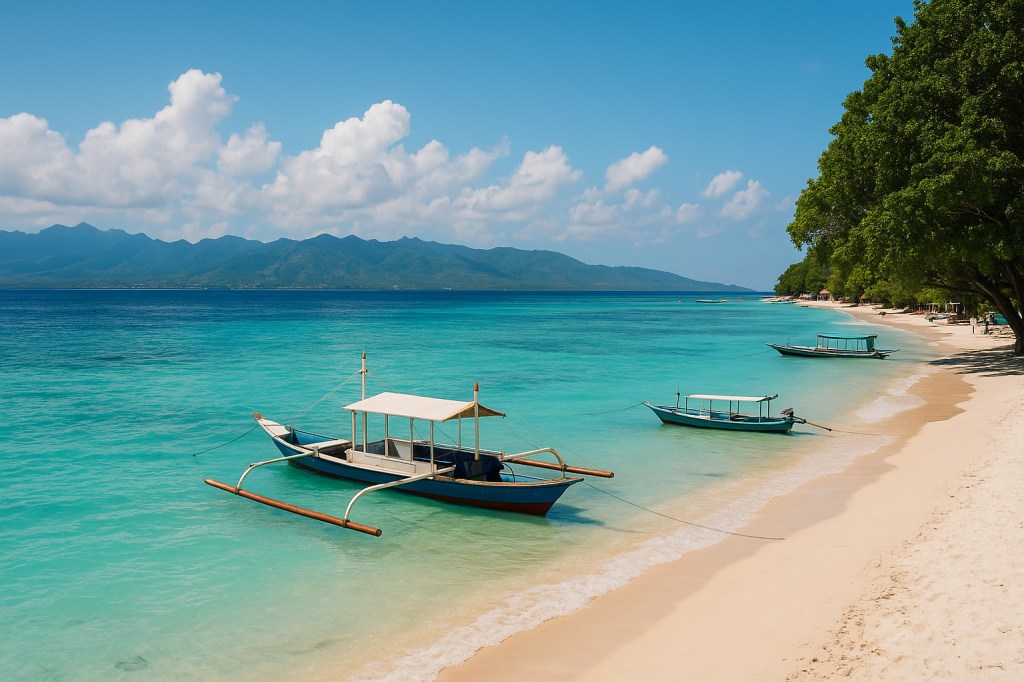
    Okay, so the Gili Islands are three little coral dots off the coast of Lombok: Gili Trawangan (aka Gili T), Gili Air, and Gili Meno. Each one’s got its own vibe.

    • Gili Trawangan is the party island. Think beach bars, fire dancers, reggae joints. But also? It’s got great snorkeling and chilled-out mornings. You can party and then nap in a hammock the next day, no shame.
    • Gili Air is more chill but still social. Couples love it, solo travelers find it easy to meet people, and the food scene is surprisingly good for such a small place.
    • Gili Meno is super quiet, a little more honeymoon-y. But if you’re into lowkey beach time, hammocks, and hearing nothing but waves and cicadas, it’s your spot.

    All three are car-free. No motorbikes, no honking. You get around by bike, foot, or little horse-drawn carts called cidomos. That alone makes it feel like you’re in another world compared to Bali traffic.

    How to Get to the Gili Islands from Bali (Without Losing Your Mind)

    There are a few ways to get from Bali to the Gilis, but most folks go by fast boat. And trust me—you want to choose your fast boat company wisely. Not all boats are created equal.

    Here’s the lowdown:

    Fast Boats from Bali to Gili

    These leave from places like Padangbai, Serangan, or Amed, and the ride takes anywhere from 1.5 to 3.5 hours depending on weather, departure point, and boat company.

    • Padangbai is the most popular port, but also the most hectic. Tons of tourists, lots of touts. Watch your bags and don’t buy the first ticket someone waves in your face.
    • Serangan (near Sanur) is cleaner and better organized, but the trip takes longer since it’s further west.
    • Amed is great if you’re already up north or doing a diving trip. Shorter crossing, calmer vibes.

    A round-trip ticket usually costs around IDR 800,000 – 1,200,000 (~$50–$75 USD), depending on the company and season. Some of the more trusted fast boat names are BlueWater Express, Gili Getaway, and Eka Jaya. If you see a crazy cheap price, double-check reviews before booking. I once took a sketchy fast boat because it saved me 100k IDR… and the engine stalled in the middle of the crossing. Lesson learned.

    Flights + Local Boat Combo

    If boats aren’t your thing (seasick crew, I see you), you can actually fly from Bali to Lombok, then grab a car to Bangsal Harbor, and take a short local boat to the Gilis. It’s not faster, but it’s less bumpy.

    Flights are cheap (think $30–$50 USD one-way with Wings Air), but getting from the airport to the harbor adds a couple of hours. You might spend the same time overall but feel less like you’ve been through a spin cycle.

    Best Time to Visit the Gili Islands (Seriously, Don’t Skip This Part)

    Dry season—May to October—is when the Gili Islands really shine. Think clear skies, flat water, and epic visibility for snorkeling or diving.

    I went in late June once and barely saw a cloud. The ocean was like glass, and I could snorkel with turtles five feet off the beach in Gili T. Tried again in December? Whole different story. Choppy water, cloudy skies, and boats got delayed two days straight. So yeah—wet season = risky, especially if you’re on a tight timeline.

    Can You Do a Day Trip to the Gili Islands from Bali? (Technically, Yes. But Should You? No.)

    I know, some tour operators advertise “Gili Islands day trip from Bali” like it’s a cute, easy thing. Honestly? It’s not worth it unless you’ve got money to burn and patience for logistics.

    The boat ride alone eats 4–6 hours round-trip, and that’s assuming nothing’s delayed. By the time you get to Gili, you’re basically checking your watch for the return trip. No time to enjoy the beach, sip a coconut, or even let your hair dry.

    If you’re dying to go but short on time, at least plan for one overnight. Two nights is even better. It’s not a destination you rush through.

    Where to Stay on the Gili Islands (And What You’ll Get for Your Money)

    Here’s where things get fun. There’s literally something for every budget on the Gilis—from $10-a-night fan rooms to $300-a-night villas with private pools. No joke.

    Budget Stays

    If you’re backpacking or just keeping it simple, you can get basic bungalows or guesthouses on Gili T or Gili Air. Think IDR 150,000–300,000/night ($10–20 USD). Don’t expect hot water or AC everywhere, but most places are clean and friendly.

    Mid-Range Hotels

    This is the sweet spot for most people. AC, decent breakfast, a pool—IDR 400,000–1,000,000/night ($25–60 USD). I stayed at Manta Dive Gili Air once—good diving school, clean rooms, right on the beach.

    Luxury Villas & Resorts

    Gili T and Gili Meno both have some wild luxury options now. Think beachfront bathtubs and infinity pools. If you’re celebrating something (or just want to feel fancy), Kuno Villas or Pearl of Trawangan are solid bets.

    What to Do on the Gili Islands (Other Than Just Beach-Lounging)

    You could totally park yourself on a beanbag for three days and call it a trip. But there’s more to do if you’ve got the energy.

    Snorkeling and Diving

    Snorkeling is a must, even if you don’t swim well (just get a life vest). Most beachside shops offer half-day snorkel tours for like IDR 150,000–250,000 ($10–20 USD). You’ll hit Turtle Point, underwater statues off Gili Meno, and maybe even a shipwreck.

    If diving’s your thing, the Gilis are kind of a big deal in the dive world. Visibility is great most of the year, and dive centers like Trawangan Dive or Blue Marlin are legit.

    Bike Around the Islands

    Each island is small enough to bike around in a couple of hours. Gili T has a full ring road, part sand, part cobblestone, and you’ll definitely have to walk your bike in spots. Still fun though—especially with a cold coconut pit stop halfway.

    Night Markets & Beach Bars

    Gili T’s night market is full of fresh fish BBQ, satay, and banana pancakes. Not always the cheapest, but it’s fun to mix with locals and travelers at shared tables.

    Gili Air’s got more relaxed beach bars with live music. Not loud EDM stuff—more reggae, acoustic guitars, and lots of fairy lights. I still remember watching a blood-orange sunset at Legend Bar on Air with a watermelon arak cocktail. Peak holiday moment.

    What to Pack for a Gili Islands Tour from Bali

    This ain’t the time for high heels or tight jeans. Trust me.

    You’ll want:

    • Flip-flops or sandals (and maybe water shoes if you’ve got sensitive feet—coral can be sharp).
    • A dry bag for boat transfers—especially for electronics.
    • Reef-safe sunscreen (the coral needs us to do better).
    • Snorkel mask if you’ve got one—cheaper and cleaner than renting.
    • Cash. There are ATMs, but they run dry often, especially on Gili Meno.

    Also, pack light. You’re gonna be carrying your bag through sand at some point, guaranteed.

    Safety, Wifi, and Basic Know-How

    A few heads-ups that no one told me on my first visit:

    • Medical stuff: Each island has basic clinics, but for serious issues, you’re heading back to Lombok or Bali. Bring your own meds, especially stuff for Bali belly or motion sickness.
    • Wi-Fi: It’s decent in cafes and hotels, but not Bali-level fast. Gili Meno is the slowest, Gili T the best.
    • Power: Outages happen. Keep your phone charged when you can.
    • Drugs: Don’t mess around. Even though mushrooms and weed are sometimes offered, they’re illegal. Big time. Not worth it.

    Is the Gili Islands Tour from Bali Worth It?

    Absolutely, as long as you do it right. Don’t rush it. Give yourself time to settle in, get on island time, eat some grilled fish, and float in the sea until your fingers prune up.

    The Gili Islands aren’t just a checkbox—they’re one of those places you leave feeling a little softer, a little sun-drunk, and wondering if you could make island life a thing long-term.

    Food on the Gili Islands: What to Expect (and What to Avoid)

    Alright, so food on the Gilis? Kinda underrated, to be honest. You’d think being tiny islands would mean super limited options, but I was surprised by how much variety you can find—especially on Gili T and Gili Air. Gili Meno’s a bit quieter, so don’t expect a huge food scene there, but still decent.

    Local Eats

    If you’re into Indonesian food (and honestly, if you’re not yet, you will be), you’re sorted. Warungs are everywhere. Look for simple joints with locals eating inside—those are the real MVPs. You’ll find nasi campur, mie goreng, satay skewers grilled over charcoal, and killer sambal that’ll knock your socks off if you’re not used to spicy.

    Warung Dewi on Gili T is a little off the main strip and doesn’t look like much, but I’ve had some of the best chicken curry and grilled fish there. For like IDR 30,000. Less than $2 USD. No joke.

    Western and Vegan Options

    All three islands cater to Western tastes too—especially Gili T and Air. If you need a smoothie bowl, sourdough toast, or vegan jackfruit tacos, you’re gonna find it.

    Gili Air has this awesome little spot called Pachamama—organic, healthy-ish stuff but not in a pretentious way. It’s also super chill for remote work if you’re dragging your laptop around like I do sometimes.

    On Gili T, The Banyan Tree and Casa Vintage are go-to’s for plant-based meals. But be warned—prices are Bali-level or even higher sometimes. You’re on an island. Things get marked up.

    Stuff to Skip

    A few beach grills near the harbor can be hit or miss. Some sell “fresh catch” that’s… let’s just say, not so fresh. If it smells weird, give it a pass. And avoid raw stuff if you’re not sure about food hygiene. I’ve seen too many people get taken out for 48 hours after a dodgy plate of tuna tartare.

    Booking a Gili Islands Tour from Bali: What You Need to Know Before You Pay

    Now this part gets people all the time—how and where you book your Gili trip actually matters. You could save yourself money and avoid a logistical mess with just a bit of planning.

    Online vs. Street Agents

    You can book online through aggregators like 12Go Asia, or directly on the boat company’s website (which I usually prefer for fast boat tickets). Prices online are sometimes slightly higher, but at least you know what you’re getting.

    Street agents in Bali will usually offer “packages”—fast boat + transfer from hotel + sometimes even a night of accommodation. I’ve booked through one before in Ubud and had no issue, but I also made sure the boat company was Eka Jaya, not some random no-name brand.

    My advice? If you’re booking through a street vendor or guesthouse, get everything in writing. Pickup time, drop-off point, boat name, and if luggage fees are included. I had a friend get surprised with a random “luggage tax” on the pier because the vendor didn’t mention it.

    What’s Actually Included

    Fast boat packages often include:

    • Hotel pickup in Bali (but not always return!)
    • One-way or roundtrip ticket to Gili
    • Water and sometimes a snack on board

    Make sure they confirm where they’re dropping you off. Some boats go to Gili T first, others to Gili Air. There’s no universal route. If you’re trying to get to Meno? You’ll likely need to stop at T and grab a local boat over.

    Traveling with Kids, Couples, or Solo: Which Gili Island Is Right for You?

    So, the vibe on each island really does matter depending on who you’re traveling with. I’ve done the trip solo, with my partner, and with family. Every time felt different.

    For Solo Travelers

    Gili T is honestly the easiest if you’re traveling alone. It’s super social. You can join snorkel tours, diving courses, yoga classes—plenty of ways to meet people. The hostel scene is strong too, but even mid-range hotels are full of friendly faces. I once got invited to a birthday bonfire by some randoms I met on the beach.

    If you want social energy without the late-night parties, Gili Air hits that sweet spot. It’s still solo-friendly, just quieter at night.

    For Couples

    Gili Meno, hands down. The beaches are cleaner, the vibe’s romantic without being cheesy, and you can find some seriously nice villas for way less than Bali rates. Not much nightlife, but if you’re there for sunset walks and candlelit seafood dinners—it’s perfect.

    Gili Air also makes a great couple’s getaway if you like the idea of a chill beach day followed by a quiet cocktail and music. It’s kind of like the Ubud of the Gilis.

    For Families with Kids

    Gili Air is your best bet. It’s quieter than Gili T but still has enough food variety, calm water, and space to run around. Some resorts even have small pools and family rooms.

    One heads-up though: not all paths are stroller-friendly. Pack light and be ready to carry stuff across sand. I met a couple dragging a stroller down a beach trail and… yeah, wouldn’t recommend.

    Island Hopping Between Gili T, Air, and Meno (Yes, It’s Easy and Cheap)

    One of the coolest parts of doing a Gili Islands tour from Bali is that you can bounce between the three islands with almost no planning. Boats run between them daily, and tickets cost like IDR 35,000–50,000 (~$2–3 USD).

    Local boats go from:

    • Gili T ⇄ Gili Air
    • Gili T ⇄ Gili Meno
    • Gili Air ⇄ Gili Meno

    The schedule’s usually posted at the harbor or any tour shop. Boats run a couple of times a day, and you just buy your ticket at the counter. No need to book days ahead.

    Pro move: stay on Gili Air or Meno, then take a day trip to Gili T if you want that busier energy or just wanna snorkel at Turtle Point.

    Beach Expectations vs. Reality: Let’s Keep It Real

    You’ll see Instagram photos of flawless beaches, and yeah—some of them are that pretty. But also? Not every beach on the Gilis is soft white sand and gentle waves.

    Some spots are rocky. Some have washed-up coral or seaweed depending on the tide. And during low tide, it can get real shallow.

    That said, the northwest beaches of Gili T, the east coast of Gili Air, and the southwest side of Gili Meno are usually the best bets. Clearer water, better swimming, and sunset views that’ll ruin you for regular life.

    I always tell people: bring reef shoes if your feet are sensitive. And don’t be bummed if your first beach spot is meh—just walk ten minutes down the sand. There’s always another stretch that’s better.

  • Ubud Weather: What It’s Really Like Through the Seasons (and How to Not Let It Wreck Your Trip)

    Let’s talk about Ubud weather — because if you’re planning to hang out in Bali’s cultural heart, you seriously need to know what you’re walking into. And I mean that both literally and metaphorically. “Ubud weather” is one of those things people either underestimate or over-prepare for, and honestly, both can backfire.

    So let’s clear the air (pun intended). If you’re wondering what is the weather like in Ubud, how rainy it really gets, when’s the best time to visit, or what to pack — I got you. I’ve been soaked through by sudden downpours in the middle of monkey forest and I’ve sweated through linen shirts just sitting at a cafe. I’ve also had some of the most peaceful, drizzly mornings watching mist roll over the rice terraces with a hot kopi Bali in hand. Ubud weather is a mixed bag, but once you understand its rhythm, you can totally work with it.

    Dry Season in Ubud (April to October): Sunshine, Sweat, and Mostly Good Vibes

    If you’re all about sunshine and crisp mornings with almost zero humidity, the dry season — especially June through August — is your sweet spot. This is when Ubud weather goes from unpredictable jungle chaos to “wow, I can actually plan a day trip without carrying three ponchos.”

    The air’s cooler up in Ubud compared to Canggu or Seminyak — think high 20s°C (like 26–29°C or mid-80s°F), and evenings can get surprisingly chilly. Not jacket-worthy, but maybe a lightweight hoodie if you’re staying up in Tegallalang or somewhere in the hills.

    One thing nobody tells you though? Dry season doesn’t mean zero rain. It just means it won’t ruin your day. I’ve had random showers roll in around 2 pm like clockwork. Sometimes 10 minutes, sometimes a full hour. Always warm though — like, not annoying cold, just “guess I’m taking a shower with my clothes on” kinda vibe.

    Read also: Bali Itinerary 7 Days

    Also, pro-ish tip (I know I said no pro tips but hear me out): if you’re doing sunrise hikes like Mount Batur, this is the time. Clear skies, less fog, and way less chance you’ll be standing on a volcano surrounded by white mist, wondering if the view is just a tourist myth.

    Rainy Season in Ubud (November to March): Wet, Wild, and Weirdly Beautiful

    Okay, now here’s where the weather in Ubud gets a bit… dramatic.

    The rainy season is no joke. From late November to around mid-March, expect Ubud to serve you hot steamy rain with a side of thunder. Some days it starts sunny and just whiplashes into a downpour by afternoon. Other days it’s just wet all day — like someone forgot to turn off the sky faucet.

    Don’t get me wrong though, there’s something weirdly cozy about Ubud during the wet months. The jungle goes full Avatar — so lush and green it almost doesn’t look real. The rice paddies? Chef’s kiss. Everything looks 10x more alive. If you’re into photography or journaling or just vibing with a hot tea and watching the rain hit the banana leaves, rainy season might be your jam.

    But yeah, it’s humid AF. I remember one December where I just gave up on trying to look dry. I’d step out of the shower and feel like I never left. Cotton? Forget it. It never dries. Linen? Only if you’re okay with the “I live out of a suitcase” look. Fast-dry everything is your best friend.

    Travel-wise, this is off-peak season for a reason. Some treks (like Campuhan Ridge Walk) get muddy and slippery. Roads flood sometimes, especially those tiny alleyways in the villages. But on the flip side — fewer crowds, cheaper villas, easier spa bookings. Swings and roundabouts.

    What’s Ubud Weather Like Month-by-Month?

    Yeah yeah, people say “two seasons: dry and wet.” But honestly? It’s more of a gradient. Here’s the real-life breakdown based on actual experience — not some glossy travel brochure.

    January
    Ubud is drenched. Expect 20+ days of rain, often heavy and in the afternoon. But mornings? Sometimes weirdly dry and sunny. Bring an umbrella or rain jacket everywhere. Mosquitoes love this month, btw. Don’t forget the bug spray.

    February
    Still raining, but it starts to calm down a bit mid-month. Roads can be messy. You’ll see fewer tourists, and the rice terraces are green as ever. Great if you’re into peaceful vibes and don’t mind unpredictable skies.

    March
    Rain tapers off toward the end. Still humid though. Things start drying up. March is kinda like a secret sweet spot if you’re okay with the occasional rainstorm and want deals on accommodation.

    April
    Dry season starts to kick in. Not totally rain-free, but fewer downpours. Rice fields are thick and lush. Weather’s warm but manageable. One of my favorite months to visit.

    May – August
    This is peak Ubud. Great weather, cool mornings, warm days. You’ll see lots of yoga retreats, spiritual travelers, and digital nomads crawling around cafes. Rice harvest happens around here, so some paddies start to look yellow/golden.

    September
    Still dry, but warmer. Sun feels stronger. You’ll notice more locals burning things in the early morning — a lot of traditional ceremonies happen, and they use incense and offerings. Kinda adds to the mystical feel.

    October
    Dry season’s last hurrah. Feels like a crossover between dry and rainy. Good weather overall, but storms start to sneak back in around the end. You’ll hear more thunder in the afternoons.

    November
    Hello, rain. Humidity’s up, and so is mosquito activity. It’s not non-stop rain yet, but it’s starting to feel more tropical jungle than sunny paradise.

    December
    Rainiest month next to January. Some areas flood, but also, everything is glowing green. If you’re here for Christmas or New Year’s, it’s still fun — just expect to be wet a lot.

    What to Pack Based on the Ubud Weather

    This is where I’ve seen people mess up. Like, I once saw a guy show up in Ubud with full-on leather boots. In December. In Bali. Bro. No.

    Here’s the deal:

    • Rainy season? Fast-dry clothes. Breathable fabrics. A decent poncho or foldable rain jacket (they sell good ones in local markets too). Flip-flops are fine unless you’re planning to hike. Then go for waterproof trail shoes.
    • Dry season? You can go more chill — linen, cotton, loose shirts. Just remember: Ubud’s still humid compared to beach towns. And because it’s higher up, the nights can get cool. Bring a light long-sleeve or shawl if you’re sensitive.

    Also — power banks. Especially during rainy season. Power cuts happen, and trust me, you don’t want to be stuck without Google Maps when you’re in the middle of a rice field looking for your homestay.

    And hey, umbrellas are everywhere. You don’t need to pack one unless you have a strong preference. They hand them out at cafes, villas, even temples.

    How Ubud Weather Impacts Your Itinerary (a.k.a. Plan Smart, Don’t Suffer)

    If you’re the type who likes to schedule every hour, Ubud weather might test you a bit. Rainy season, especially, demands flexibility.

    • Morning activities are your safest bet year-round. Rain tends to hit mid to late afternoon. So do your temple visits, yoga, coffee tours, or waterfall hikes earlier in the day.
    • Spa treatments, massages, or cooking classes? Save those for rainy afternoons. Trust me, nothing hits like a full-body massage while it’s pouring outside.
    • Sunset at Campuhan Ridge or Tegallalang? Dry season only. Rainy season skies are too cloudy, and the paths get way too slippery.

    Also, don’t try to cram too much into one day. Ubud’s spread out — what looks like “15 minutes on Google Maps” can take 45 minutes with traffic, scooter jams, or sudden rain.

    How the Weather Shapes Local Life in Ubud

    This part gets overlooked, but it’s cool once you notice it.

    Local ceremonies often revolve around weather patterns. The full moon and new moon have temple events, and you’ll notice them more during the dry season when processions aren’t getting soaked. In rainy months, ceremonies move indoors or pause altogether if the rain’s too intense.

    Farmers time their rice cycles with the seasons. During the rainy season, you’ll see planting — all that vivid green. Dry season is harvest time. That’s when the paddies get yellow and golden, and sometimes even dry and cracked-looking toward the end.

    Markets shift too. During the wet season, vendors set up more tarps and things get muddy and slippery. In the dry season, it’s full spread — fruit, flowers, incense, clothes. I’ve found the best deals on fresh mangosteen during the rainy months though — less tourists means better prices.

    Ubud Weather Isn’t Perfect, But That’s What Makes It Feel Real

    Let’s be honest — if you want predictable weather, go to Perth or LA. Ubud doesn’t care about your schedule. But it’s not trying to ruin your trip either.

    Once you stop expecting perfection and just roll with the weird little shifts in the sky, everything gets easier. You start noticing how the birds get louder before it rains. How the air smells different when a storm’s rolling in. How good a hot ginger tea tastes when you’re watching the rain come down from a bamboo balcony.

    Ubud weather isn’t just about sun or rain. It’s part of the rhythm of this place — the slower, softer vibe that makes it feel different from the rest of Bali.

    So yeah, bring your rain jacket, plan your mornings well, and don’t stress too hard when plans get rained out. That’s just Ubud doing its thing.

    The Not-So-Fun Side of Ubud Weather: Humidity, Mold & Mosquitoes

    Alright, let’s not sugarcoat it — Ubud weather, especially during the rainy season, can come with some… let’s say “extra” features. Mainly bugs, moisture, and that weird damp smell in your clothes that refuses to go away. Doesn’t mean the place isn’t magical — just means you gotta know how to deal.

    First, let’s talk humidity. Dry season is pretty manageable, but rainy months? It gets sticky. Like, can’t tell if I’m sweating or the air is hugging me kind of sticky. You’ll want breathable fabrics, a reusable water bottle (dehydration sneaks up on you), and if your Airbnb or guesthouse doesn’t have a fan or dehumidifier, your clothes might start smelling funky within a couple days.

    I once had a sarong that smelled like a swamp creature after being in a closed closet for three days. Not a vibe.

    Also — mold. It grows fast out here. I’ve had notebooks grow fuzzy green corners. Leather bags? Ruined. Shoes? Gross. If you’re staying more than a few days, don’t leave anything wet in a dark corner. Hang stuff up. Air it out. Some locals even use charcoal packets or silica gel in closets.

    Now for the mosquitoes. I mean, let’s be real, they’re part of the jungle package deal. But they’re worse during the wet season, especially around dusk and dawn. And no, it’s not just a minor annoyance — dengue fever is real, and while it’s not super common if you’re cautious, it’s also not something to mess with.

    You’ll want mosquito spray with DEET (they sell it at Indomaret if you forget), and maybe even bring those little plug-in mosquito repellents for your room. Mosquito coils work too, just don’t light ‘em too close to your bed — the smell is potent.

    And yeah — you will get bitten at least once. It happens. But you can reduce the damage if you sleep under a net and wear loose long-sleeved stuff in the evenings.

    How Ubud Weather Messes with Technology (and What You Can Do About It)

    If you’re a digital nomad, online worker, or just someone who needs their phone to not randomly die in a power surge — listen up. Ubud weather, especially during rainy season, plays games with electronics.

    I’ve had a laptop charger fried during a lightning storm. Internet go out for 4 hours. My Kindle fog up from being left near an open window. And you’d think, “Well, just go to a coworking space.” Yeah, those are great — but they don’t always have backup power either.

    So, some real-deal advice if you’re staying more than a few days and relying on tech:

    • Power outages happen, especially in stormy months. Sometimes for 15 minutes, sometimes a few hours. Most villas don’t have generators. Coworking spots like Outpost or Hubud usually do, but not always — ask first.
    • Humidity and electronics are enemies. Keep your gear dry. I always travel with silica packets and ziplock bags. Sounds overkill, but saved my camera lens more than once.
    • Voltage spikes are a thing. If your villa or homestay doesn’t have a surge protector, bring your own or unplug stuff during lightning storms. No joke — I’ve seen sparks.
    • Rain = sketchy Wi-Fi. It just does. If you’re planning a Zoom call or a livestream, avoid scheduling it during Ubud’s typical rainy hours — usually between 2 pm and 6 pm during wet season.

    And maybe this is obvious, but don’t leave your gear charging near windows. I made that mistake during a sudden sideways downpour and ended up with a soggy iPad.

    Scootering in Ubud Weather: Dry Roads vs. Slippery Chaos

    If you’re planning on getting around Ubud by scooter (and let’s be honest — you probably are), then understanding how Ubud weather affects the roads could be the difference between a chill ride through rice fields or you skidding across the asphalt wearing nothing but flip-flops.

    Dry season? Mostly smooth sailing. Still gotta watch for potholes, random dogs in the road, and the occasional ceremony blocking traffic. But overall, scootering in dry months is actually kinda dreamy — cool air, gorgeous views, and the kind of freedom that just hits different.

    But rainy season? Whole different beast.

    The roads get slippery fast. Especially the stone-paved ones near temples or monkey forest. I’ve seen people fall going 15 km/h just trying to make a gentle turn. And trust me, tropical rain feels like needles when you’re going 30 km/h on a scooter.
    You’ll also see more flooding in low-lying areas, especially around Penestanan and some parts of Jalan Raya. And good luck if you’re wearing canvas shoes — they’ll be soggy for two days.

    So what can you do?

    • Keep a poncho under your seat — always. You can get the cheap ones at Circle K, or splurge on a better one that actually keeps your legs dry.
    • Slow down when roads are wet. Sounds obvious, but the rain can come outta nowhere and suddenly you’re aquaplaning past a cafe.
    • Avoid scootering at night during rainy season unless you know the roads well. Visibility is crap, and headlights bounce off the steam coming off the wet road like a fog machine at a rave.

    Also, worth noting — scooters don’t all have working tail lights or good brakes. So choose a decent rental company. Pay a bit more. It’s worth it.

    Weird Weather Things Tourists Don’t Expect (but Locals Just Know)

    Here’s the part nobody really preps you for. The tiny stuff about Ubud weather that messes with your plans if you’re not ready for it.

    Like how temple visits sometimes get postponed because rain is seen as a spiritual cleanse — and locals might interpret it as a sign. Not always, but I’ve shown up to Pura Dalem dressed to the nines only to find the ceremony rescheduled ’cause the clouds rolled in too heavy.

    Or how the air smells different after it rains — especially near the rice fields. It’s kind of a sour-earthy scent that’s weird at first but grows on you. Locals even say you can tell how long the rain will last based on how it smells. I still haven’t cracked that code, though.

    Also, the fog. Up in higher spots like Sayan or Tegallalang, early mornings can be crazy foggy. Like, “can’t see the driveway” foggy. It clears up by 9 or 10 a.m., but if you’ve got a sunrise photoshoot or early pickup for a tour, keep that in mind.

    Another one? Clothes never really feel 100% dry during rainy season unless you get full sun for hours. Even stuff that’s been hanging up for days can feel a bit… damp. Villas with laundry service will dry stuff better than trying to do it yourself with a travel line and a fan.

    And finally — the critters come out more when it rains. Frogs. Snails. The occasional confused gecko in your shower. Doesn’t mean the place is dirty — it’s just jungle life. But if you’re squeamish, maybe check your shoes before you slide ’em on.

  • The Ultimate Bali Itinerary 7 Days: Where to Go, What to Do, and What You’ll Wish You Knew Sooner

    Planning a trip to Bali can feel like trying to pick your favorite flavor at an ice cream shop with 50 options. It’s wild. Everyone’s got their opinion, your feed is packed with jaw-dropping waterfalls and beach clubs, and you’re just trying to figure out what actually makes sense for a Bali itinerary 7 days kind of trip. I’ve done the week-long Bali run a few times now, and lemme tell you—it’s magic if you plan it right. But if you don’t? You’ll spend more time stuck in traffic between places than actually enjoying ‘em.

    So I’m laying out the real stuff here. Not just what looks pretty in photos, but what actually works—day by day. I’m talking surf spots, rice terraces, monkey forests (yes, they’re a bit intense), sunrise hikes, chill beach days, and food so good you’ll think about it a year later. Plus a few “wish I knew before” kinda things that’ll save you money, time, and some sanity.

    Day 1 – Welcome to Bali: Chill in Canggu Like a Local

    Alright, so you just landed at Ngurah Rai International Airport, probably after a long-haul flight where your legs cramped up like pretzels. First rule: don’t try to do too much on day one. Trust me on this. Drop your bags at your hotel or villa—I usually stay in Berawa, Canggu, just ‘cause it’s got that mix of surf-town chill and good eats.

    And Canggu isn’t all hype. Yes, it’s popular with digital nomads and influencers, but you’ll find plenty of down-to-earth spots too. My first stop? Crate Cafe. Their smoothie bowls are basically edible art and the coffee hits just right. After that, head down to Echo Beach for a sunset beer. Doesn’t matter how many times you’ve seen a Bali sunset in a picture—it hits different in person.

    Download Gojek or Grab right away. These apps are lifesavers for rides and food delivery, especially when your jetlag kicks in and all you want is nasi goreng in bed.

    Day 2 – Uluwatu Day Trip: Cliffs, Temples, and That Ocean Vibe

    Uluwatu’s a must. But don’t make the mistake I did once—trying to squeeze this in as a half-day thing. Nah, give it the whole day. The drive from Canggu takes about 1.5 hours with traffic, so leave early.

    Start with breakfast at Bukit Cafe (yep, even the toast is photogenic here), then head to Padang Padang Beach. It’s small but iconic. Think white sand, clear waves, and a few cheeky monkeys hanging out in the trees. After that, if you’re into surfing or just watching people wipe out with style, head to Uluwatu Beach and grab a coconut from one of the cliffside cafes.

    The Uluwatu Temple at sunset is unreal—but be ready for crowds and monkeys that literally snatch your sunglasses. Bring a sarong or borrow one at the entrance (it’s a sign of respect), and make sure your stuff’s secure. I watched a monkey steal a guy’s GoPro once and the staff had to barter it back with bananas. No joke.

    If you’re into nightlife, Single Fin is your spot for sunset drinks. Just make sure your driver knows where to find you later—roads can get confusing around here.

    Day 3 – Central Bali: Waterfalls, Temples, and Rice Fields Around Ubud

    Ubud’s like a different planet compared to the beaches. Greener, quieter (well, depending where you go), and just packed with spiritual energy and scenic spots.

    Start early and make Tegenungan Waterfall your first stop. It’s the easiest one to reach, and yeah, it gets busy, but it’s worth it. Go early, wear grippy shoes, and bring a towel ‘cause you’ll want to swim.

    Then head up to Tirta Empul, the holy water temple. Even if you’re not religious, there’s something calming about doing the cleansing ritual. Just follow the locals’ lead, wear a sarong, and be respectful. It’s not just for Instagram—it means a lot to the Balinese people.

    In the afternoon, stop by Tegalalang Rice Terraces. There’s a swing if you’re feeling touristy, but I honestly just enjoy walking the paths and talking to the locals working in the fields. Grab lunch nearby (try Bebek Bengil for crispy duck), then head back toward Ubud town and wind down with a massage. Karsa Spa is my go-to—it’s in the jungle, and the setting alone will fix your jetlag.

    Day 4 – Ubud Town Vibes: Monkeys, Markets, and Campuhan Ridge Walk

    Day four’s good for slowing down a bit, but not too much. I like starting with the Monkey Forest in the morning. It’s cooler out, and the monkeys aren’t as aggressive early in the day. Still, don’t carry plastic bags or leave stuff hanging from your bag—they will jack your snacks.

    Then it’s time to wander Ubud Art Market. Yeah, there’s touristy stuff, but if you poke around and chat with the vendors, you’ll find handwoven bags, real batik prints, silver jewelry from Celuk… the good stuff. And don’t forget to bargain—gently. It’s part of the culture, but be kind about it.

    Lunch at Sayuri Healing Food or Clear Cafe if you’re into the healthy, plant-based thing. If not, Casa Luna’s got great Balinese dishes with a cozy setup. Later in the day, take the Campuhan Ridge Walk. Go around 4:30 PM for that golden hour glow. It’s just a 30-minute walk, but the views and peace make it feel longer (in a good way).

    Day 5 – Northern Adventure: Mount Batur Sunrise Hike + Hot Springs

    Okay, this one’s for the early birds. You’ll need to wake up around 2 AM. Brutal, I know, but the Mount Batur sunrise trek is worth it. It’s not easy—about 2 hours of uphill hike in the dark—but once you reach the top and see that first light hit the lake and volcano, you’ll forget you’re covered in sweat.

    You can book a tour that includes pickup, guide, flashlight, and sometimes breakfast. I’ve used Sunrise Trekking & Tour—they’re solid and pretty chill. After the hike, you’ll want to hit the nearby hot springs. Toya Devasya is a popular one with pools right on the edge of the lake. It’s the reward you deserve after climbing a freakin’ volcano at 4 AM.

    Afternoon? Nap. Seriously. Don’t try to push it. Maybe a quiet dinner in Ubud after. Try Ibu Oka’s for traditional Balinese suckling pig—it’s famous for a reason.

    Day 6 – East Bali Road Trip: Sidemen Valley and Tirta Gangga

    East Bali gets way less tourist traffic, which is exactly why it’s perfect. Sidemen Valley is one of those places that makes you feel like you’ve time-traveled. Green hills, rice paddies, farmers working barefoot… it’s quiet and humbling.

    I usually start the day there with a slow breakfast overlooking the valley—check out Villa Karma Loka or Wapa di Ume Sidemen if you wanna splurge on a view. Then head toward Tirta Gangga Water Palace. It’s this old royal site with fish ponds and fountains you can walk through. Feed the koi, take a few photos, and just enjoy the vibe—it’s peaceful, not flashy.

    If you’re up for another scenic stop, swing by Lempuyang Temple, the “Gates of Heaven.” But heads-up: the famous photo with Mount Agung in the background? There’s a line. Sometimes up to an hour. And it’s a trick photo taken with a mirror. Still cool, but don’t go expecting a spiritual epiphany in peace. You’ll be standing next to 40 people with selfie sticks.

    Day 7 – Seminyak or Sanur: Slow Down Before You Fly Out

    Last day! You’re tired but happy. You’ve done waterfalls, volcanoes, temples, beaches… now it’s time to chill. Depending on where your flight is and how much energy you’ve got left, I usually choose either Seminyak or Sanur.

    Seminyak’s great for last-minute shopping (check out Seminyak Village or some of the boutique shops along Jalan Kayu Aya), and there are tons of cafes to people-watch from. I always grab one final smoothie bowl or banana pancake situation before I fly. Revolver’s coffee here is also top-notch.

    If you want something quieter, Sanur’s your place. It’s more chill, with a long walking path by the beach and calm waters. Great for one last swim or just a beachside massage while you think about whether it’s really too soon to plan your next Bali trip.

    Bonus Tips I Learned the Hard Way (So You Don’t Have To)

    • Don’t try to cram in everything. Bali looks small, but driving anywhere takes way longer than you’d think.
    • Cash is still king in small towns. Big resorts and cafes take cards, but warungs and local shops? Bring IDR.
    • SIM cards are cheap and available at the airport or in town. Get one. The WiFi can be spotty in remote spots.
    • Always ask for the meter in taxis—or just stick with Gojek and Grab to avoid scams.
    • Don’t drink tap water. Seriously. Even brushing your teeth, use bottled water just to be safe.

    This Bali itinerary 7 days plan hits the sweet spot between doing a lot and not burning out. It’s got beaches, jungle, culture, food, and enough chill time to actually enjoy the island without needing a vacation from your vacation. Hope this helps you plan something epic—and if you’ve got questions, shoot ‘em over. I’ve probably made that mistake already so you don’t have to.

    Where to Stay Each Night Without Losing Your Mind (or Budget)

    This part’s easy to mess up. Trust me, I once booked four different places across the island for a week, thinking it’d be smart to “stay near each attraction.” Spoiler: it was a pain in the butt. Packing, unpacking, traffic… we wasted so much time moving around.

    Here’s what actually works:

    • Nights 1–2: Stay in Canggu – This gives you beach time, chill cafes, and lets you recover from jetlag without rushing around. Look for spots like The Chillhouse (social vibe) or La Brisa Villas (quiet and stylish). If you’re on a tighter budget, Kos One is clean, friendly, and has a pool with rice field views.
    • Nights 3–5: Base yourself in Ubud – You’re closer to temples, waterfalls, the volcano, and all the jungle vibes. Stay somewhere central, like Bisma Eight (a little spendy, but worth it) or if you want something affordable, check out Goutama Homestay—cozy, family-run, and walkable to everything.
    • Nights 6–7: Back south in Seminyak or Sanur – You don’t want to be scrambling to get to the airport from Ubud. Traffic’s too unpredictable. Seminyak is good for shopping, beach clubs, and eating your way through your last rupiah. Sanur’s calmer, better for families or couples wanting to wind down.

    Book your airport transfer in advance. Don’t rely on grabbing a driver last minute if you’ve got a morning flight. That’s stress you do not need.

    What to Eat So You’re Not Just Living on Smoothie Bowls

    Let’s be real—Bali food deserves its own itinerary. I’ve tried everything from tiny roadside warungs to $80-a-plate beachside dinners, and honestly? Some of the best meals I’ve had cost less than a Gojek ride.

    Here’s how to mix it up:

    Balinese Must-Trys

    • Babi Guling (roast suckling pig): Crispy, spicy, juicy. Go to Ibu Oka in Ubud if you can.
    • Nasi Campur: A plate of mixed stuff—rice, veggies, meat, peanuts, sambal. It’s different everywhere, which makes it fun. Warung Wardani in Denpasar does it great.
    • Lawar: Chopped meat and veg, often with coconut and spices. It’s traditional and bold.

    Where to Eat That’s Actually Worth the Hype

    • Canggu: The Shady Shack (vegetarian, but satisfying even for meat-lovers), Warung Varuna (local, no-frills, tasty), and Give Cafe (all profits go to charity).
    • Ubud: Clear Cafe (relaxing vibes), Naughty Nuri’s (ribs that will blow your mind), and Melting Wok (get the curry).
    • Seminyak: Sisterfields (classic Aussie brunch vibes), Warung Murah (cheap and tasty), Motel Mexicola (go for the food, stay for the party).

    And don’t skip out on fruit. You’ll see dragonfruit, rambutan, mangosteen, snakefruit… stuff you maybe never even knew existed. Try ‘em all. The fruit stands are cheap and the taste is next-level compared to supermarket versions.

    What Stuff to Actually Pack for Bali (and What to Leave at Home)

    I used to be an overpacker. Like, “why do I need three pairs of jeans in a tropical country?” kind of overpacker. Don’t do that. You’ll mostly be in swimwear, comfy clothes, and maybe one or two outfits for dinners out or temple visits.

    Here’s what I bring every time now:

    • 3–4 breathable shirts/tanks
    • 2 pairs of shorts, 1 pair of loose pants or a skirt
    • 1 light jacket or long sleeve (some evenings can get breezy in the hills)
    • 1 swimsuit (2 is better if you’re always wet)
    • A sarong (temple visits require it and it doubles as a towel or beach mat)
    • Reef-safe sunscreen (expensive on the island)
    • Bug spray (especially in Ubud or during rainy season)
    • Travel sandals AND something sturdier like trail runners for hikes
    • Quick-dry towel (for beach days or after waterfalls)
    • Reusable water bottle—refill stations are everywhere now

    Don’t bring a hair dryer or heavy makeup kit unless it’s super important to you. The humidity does not play nice, and your stuff will just end up taking space.

    Oh—and leave space in your luggage for stuff you’ll wanna bring home. You’ll probably grab clothes, bags, maybe some handmade soap or wood carvings. Better to plan for it than end up paying overweight luggage fees (been there).

    Getting Around Bali Without Losing Your Patience

    Ok, this is a big one. People think they’ll just rent a scooter and zip around the island. And sure, in some areas that works. But a lot of travelers way underestimate how chaotic Bali roads can be. If you’ve never driven a scooter before, this ain’t the place to start.

    Here’s what works:

    • Scooters: If you’re confident, it’s the most convenient and affordable. Helmets are non-negotiable. Rain ponchos are your best friend.
    • Gojek/Grab: Use them like Uber. Reliable, affordable, but some areas (like Uluwatu or the airport) have “local taxi zones” that don’t allow ride-shares. Always ask if you’re unsure.
    • Private Driver: For full-day trips or remote spots like Mount Batur or Sidemen. Costs around 500,000 to 800,000 IDR ($35–55 USD) for 8–10 hours, depending on negotiation.
    • Taxis: Only Bluebird Taxis are trustworthy with meters. The others… not so much. If you have to use one, agree on a price before you get in.

    Also, always factor in time. That “short drive” might be 10km but take an hour. Google Maps is helpful, but the ETA is usually optimistic.

    What NOT to Do in Bali (No One Talks About This Stuff Enough)

    This one’s straight from experience and watching tourists make the same mistakes over and over:

    • Don’t take photos in temples without checking if it’s allowed. And never step over offerings (you’ll see little baskets on the ground). It’s sacred.
    • Don’t expect everyone to speak English fluently. Learn a few basics—“terima kasih” (thank you) goes a long way.
    • Don’t drink arak from just anywhere. The local spirit’s strong and can be dangerous if it’s not made properly. Stick to bars you trust.
    • Don’t ride animals (elephants, dolphins, etc.). It’s not ethical and honestly, there are way better ways to connect with nature here.
    • Don’t assume Bali is just beaches and bars. The culture runs deep—go to a local ceremony if you get the chance. The music, the outfits, the vibe… it’s powerful.

    What This 7-Day Bali Itinerary Costs (Ballpark Breakdown)

    Bali can be done super cheap or on a baller budget. This breakdown is for a mid-range trip with a mix of local eats, a few luxuries, and private transport when needed.

    Per day average for 1 person:

    • Accommodation: $35–60
    • Food & drinks: $20–30
    • Transport (scooter or driver): $10–40
    • Tours/activities (hikes, temples, etc.): $15–40
    • Shopping/souvenirs: totally up to you

    So roughly $80–150/day, depending how much you’re indulging. That puts a 7-day trip around $600–1000 USD excluding flights. Totally doable if you’re smart about where you splurge.

    Still with me? Sweet. That’s a full-on guide to doing Bali in a week without the stress. Whether you’re going for sunsets and surf or jungle hikes and temples, this Bali itinerary 7 days layout’s been tested, tweaked, and loved by everyone I’ve shared it with.

    And if something goes sideways while you’re there (flight delay, scooter scrape, food coma), don’t panic. Bali has a way of making it all part of the story.

    Let me know if you want a version with nightlife spots, kid-friendly stuff, or the best yoga/retreat scene—I’ve done those trips too.

Design a site like this with WordPress.com
Get started